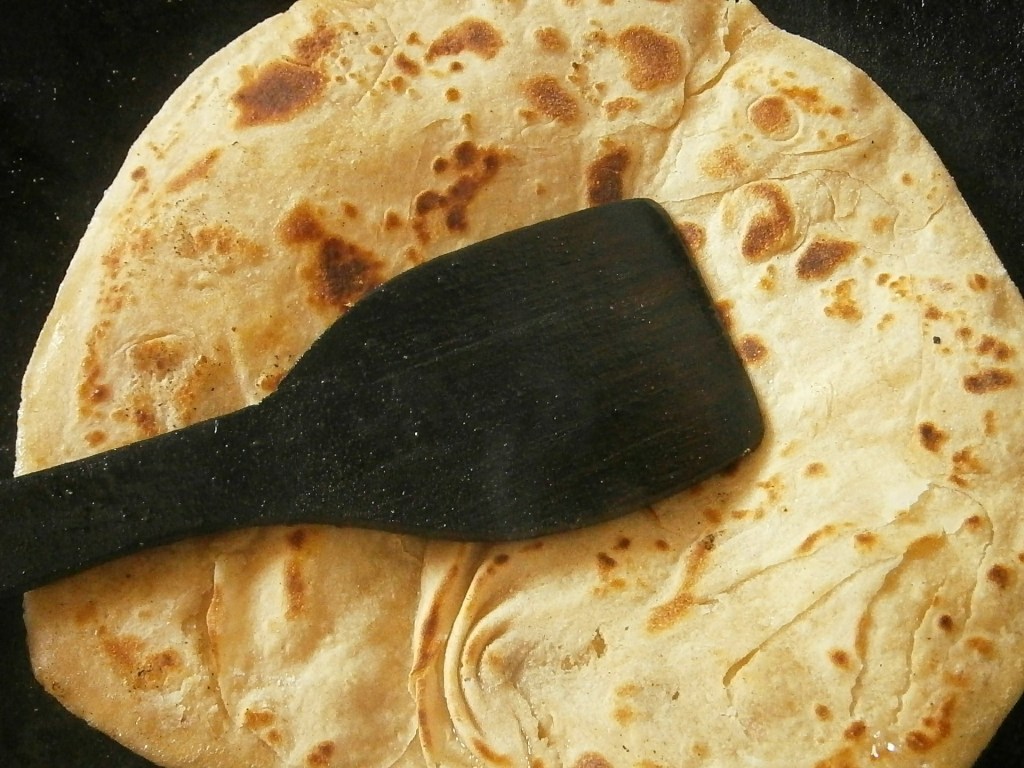
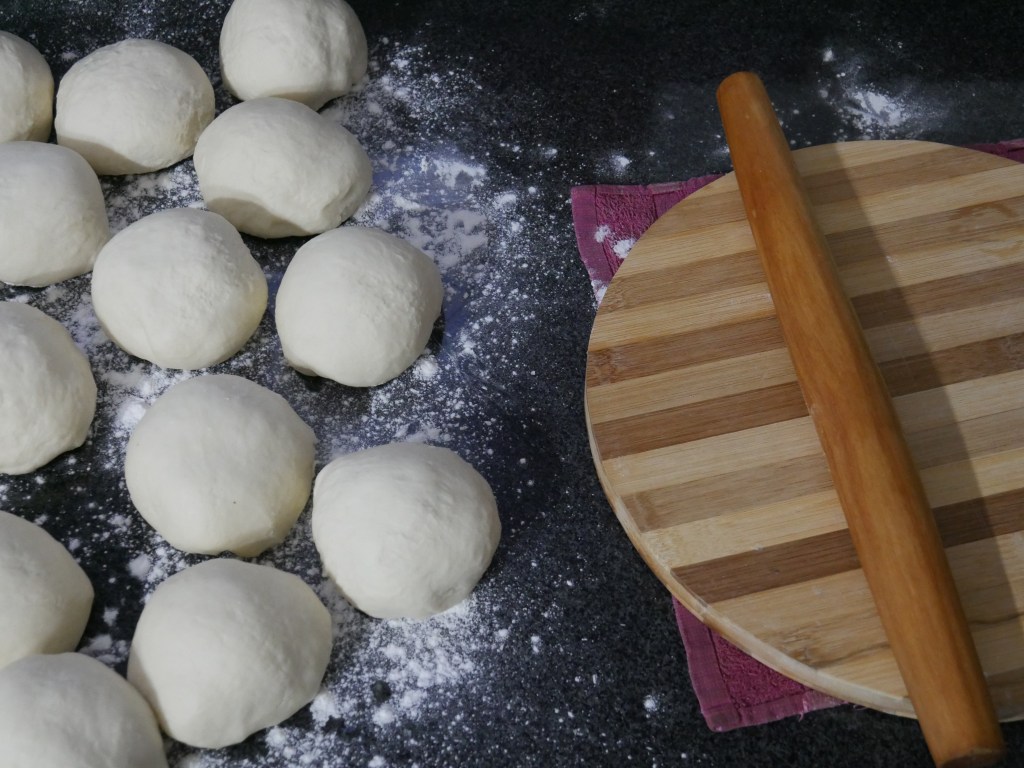
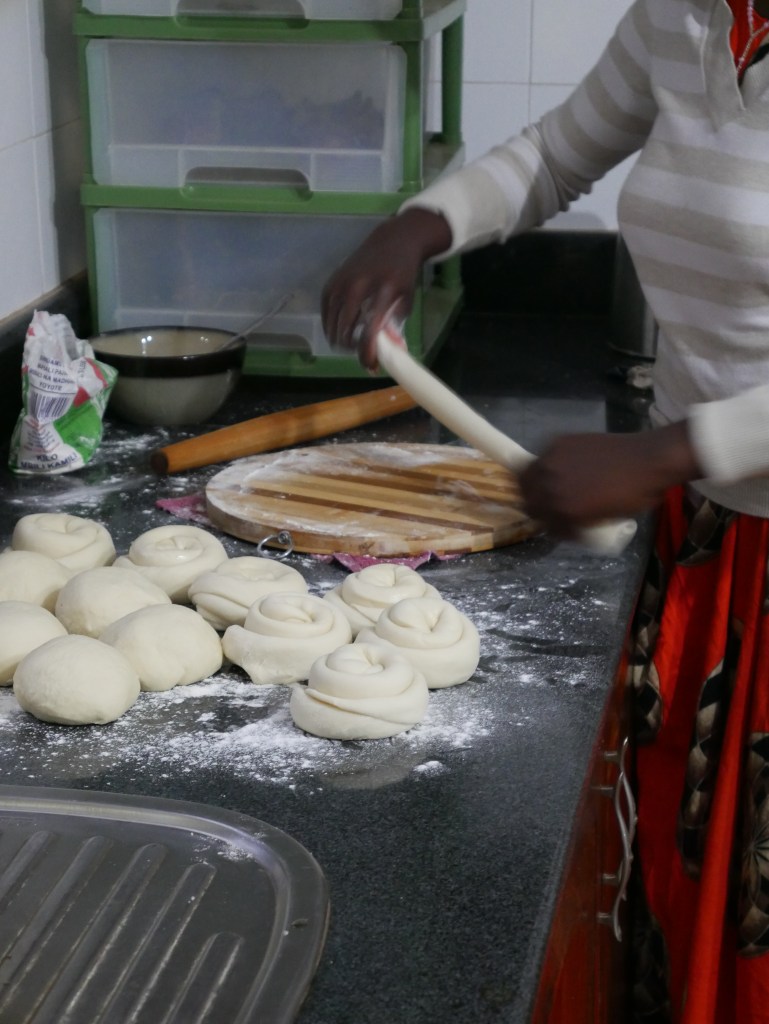
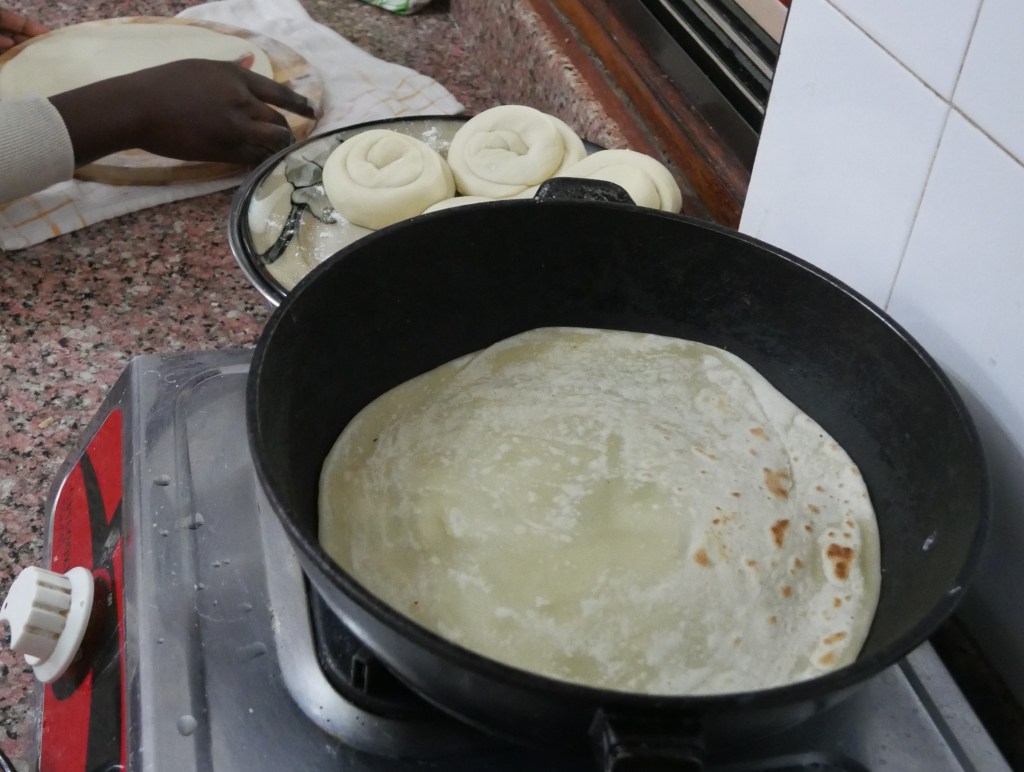
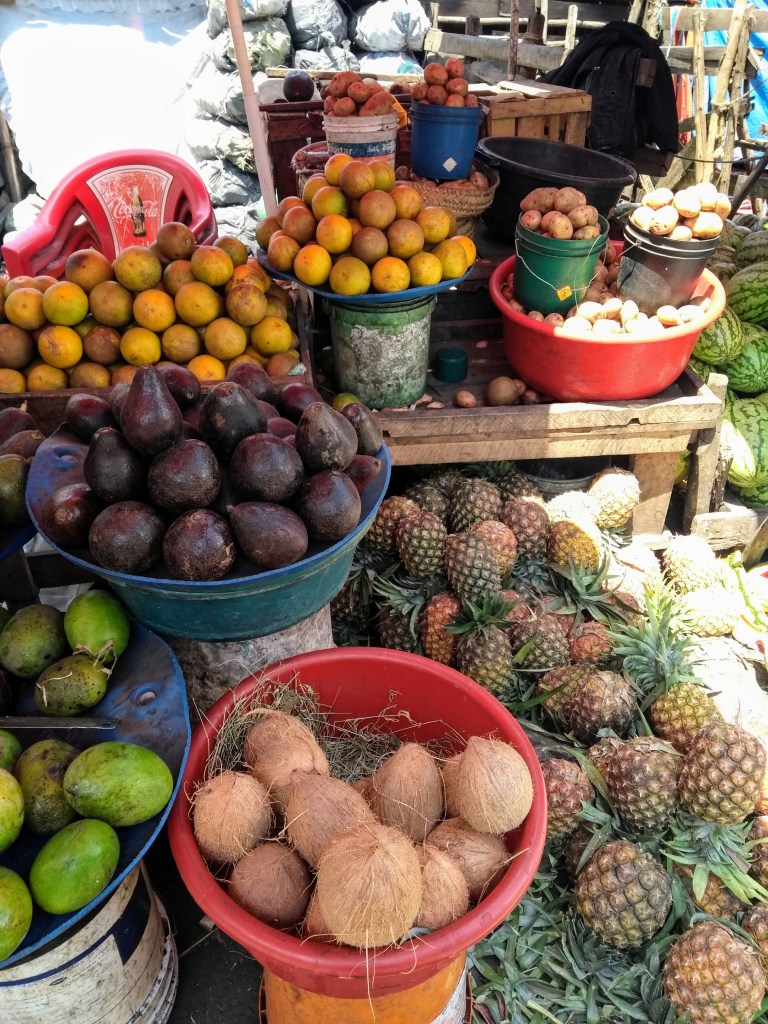
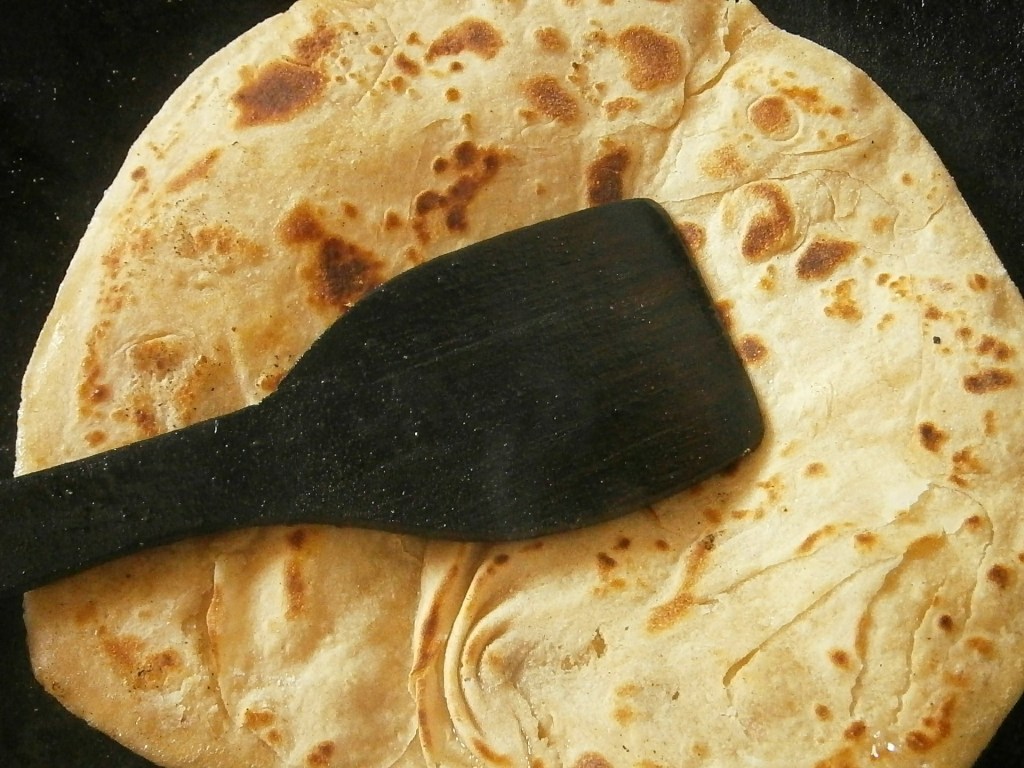
In Moshi we slept in an Airbnb from a friend of Alan. It was really a nice house with a nice garden (coconut palmtrees). We always had a nice breakfast with (Avocado, Toast, Eggs, Nutella and ofcourse Chapati). One day we get a Chapati course from the nice housemaids. Our crew also explored the city and went by to different marktes. Beside vegetables and fruits one can also buy clothes on the street. One day we went with a small bus to a school from the organization SALTworldInc. It was really nice to see what the organization already build and how happy and proud the children were to go to this school.
MERU CLIMB
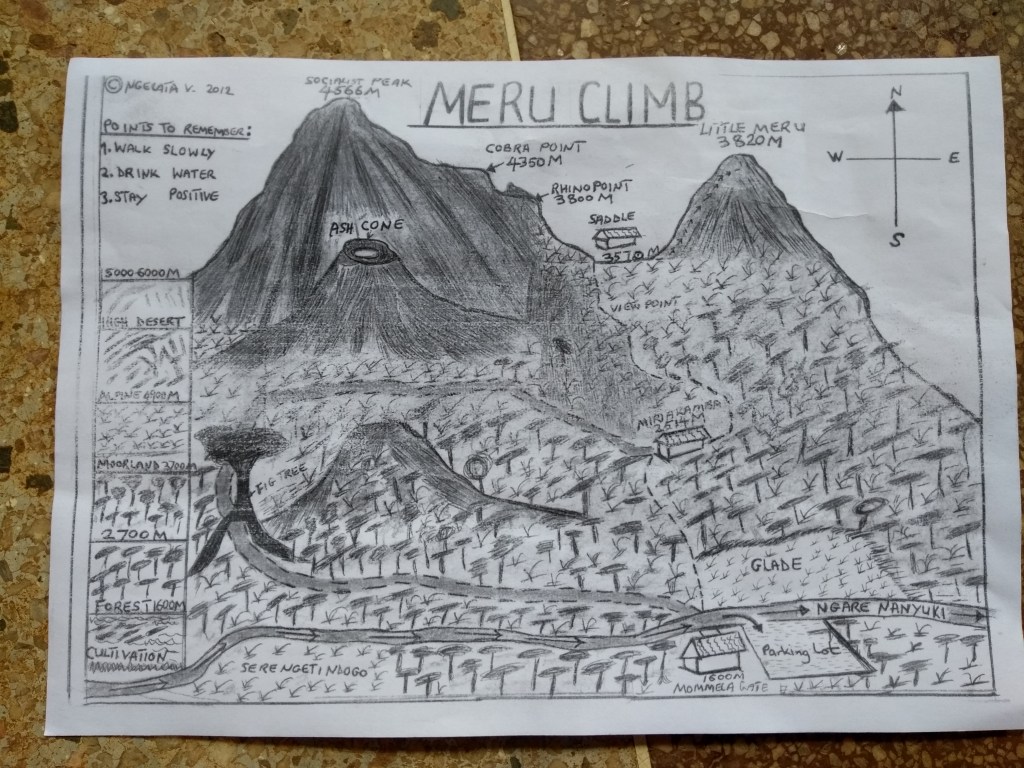
selfmade map of our hiking tour
Now it was time for preparing the hiking tour to the 4566 high mountain MERU. After a exciting bus tour we finally made it to the Gate. There we met our nice Ranger “Joseph”. It’s forbidden to walk behind the gate without one “Do not walk beyond this point unless accompanied by a ranger!”. We were really lucky to have “Joseph” – he was the best Ranger we could have imagen. After few hours walking I asked Joseph if there are some dangerous animales and he said with his kind of humour: “Mhm… YES”. With him we finally made it before darkness to the first Camp where we slept in rooms up to 4 people.
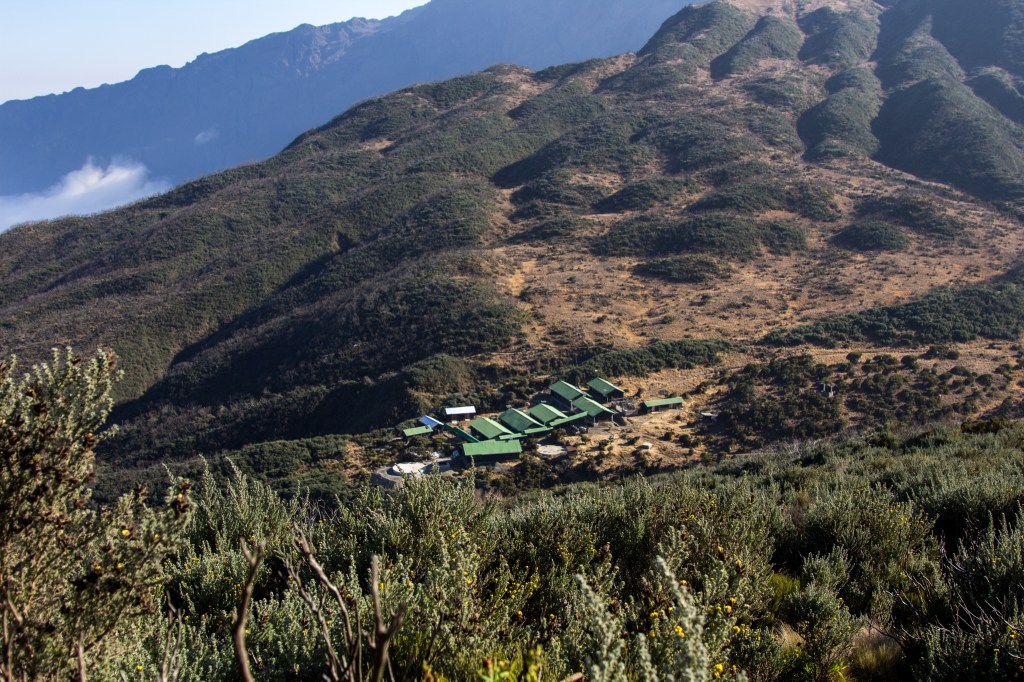
The next morning started at 7 o’clock with a nice breakfast. After this the crew started to the second Camp “sattle hut”. We reached it in the afternoon and really fast we recognized that the “luxus” life is now over. We didn’t have fluently water this means no shower or toilet flush. After refering our new rooms we get Lunch. Lunchtime was always the best time! But if you now thinking that we chilled the rest of the day… NO. After lunch we wen’t up to the little meru (3820 m) to acclimatize. Acclimatization is really important before sleeping true to the motto “go high – sleep down”. Our crew wen’t immediately after dinner to bed.
Saddle Hut (3570 m)
Because our day wasn’t over at eleven o’clock we met outside to start our finally hiking tour to the mount meru (4566 m). It was really dark therefore all of us used flashlights. The tour was really nice but at the same time so exhausting. In one point we had to climb a little bit – because it was dark it was really scarry for us. At this time some of our group members decided to go back to the camp. My boyfriend looked at this time really happy and healthy but after hour second meating at the “Cobra Point” (4350 m) I realised something was wrong, really wrong. Also the guide saw it and told us that he has the altitude sickness (high sickness) and all we have to do is go down – NOW!
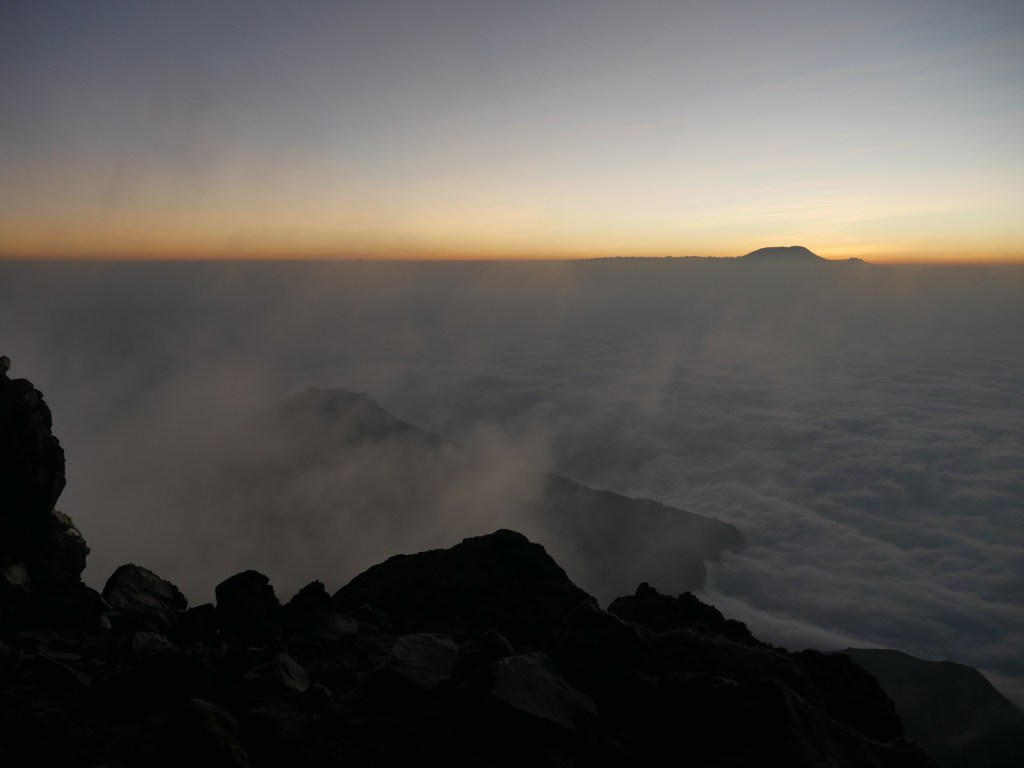
View from the Cobra Point (4350 m) to the Kilimanjaro (5892 m)
Everything went fine and my boyfriend felt better after arriving at the second camp and taking a special medicament. One can say that the highsickness can strike everyone. It doesn’t matter how experienced you are with hiking and other sports.
In summary one can say that beside the last view hours of the hiking tour – we were really happy to went up to the mountain MERU! The nature is really beautiful and we also saw much animals and met so nice people. It’s really worth a try and we were all really proud of ourself and the group! But if someone ask me what I would do differently the next time I would say that one definitely need more days. The last day was pretty exhausting also because of lack of sleep. If you are deciding to go up to the Mount Meru always remeber the 3 groundrules:
walk slowly
drink water
stay POSITIVE
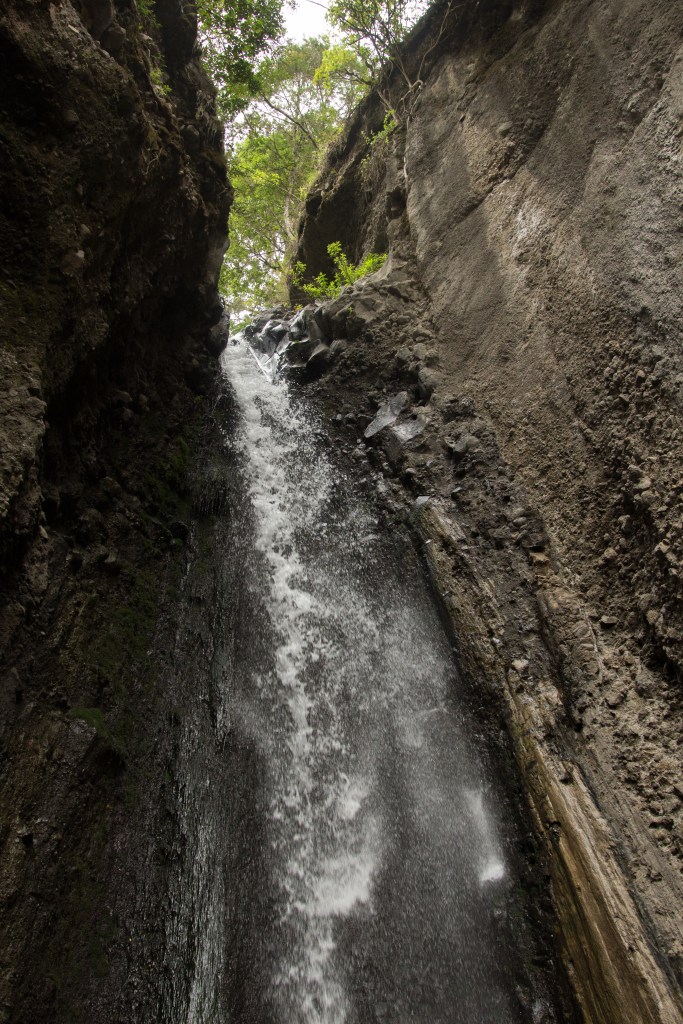
On the way back we stopped at a waterfall. We all did not miss the possibility of a shower and enjoyed the cooling of the waterfall. It was sooo… nice! After that we saw a lot of buffalos and went back to the basic camp. Everyone got a certifcate we get one for successfully reaching the Cobra Point.
Coffee plantation
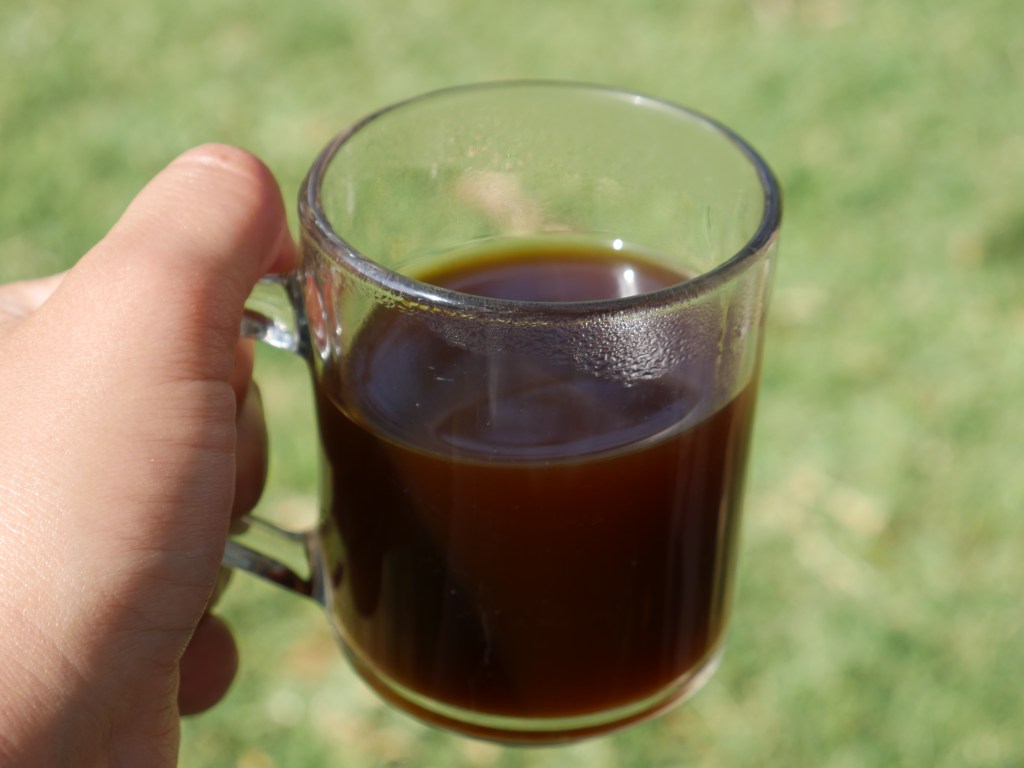
We wen’t to a fairtrade biological coffee plantation from Mr. Gideon. He explained us everything about the cultivation and the treetment of the plants. It was really interesting and afterwards his wife cook one of the best meals i’ve ever had! They also showed us their farm with 3 cows and 3 calves.
Safari
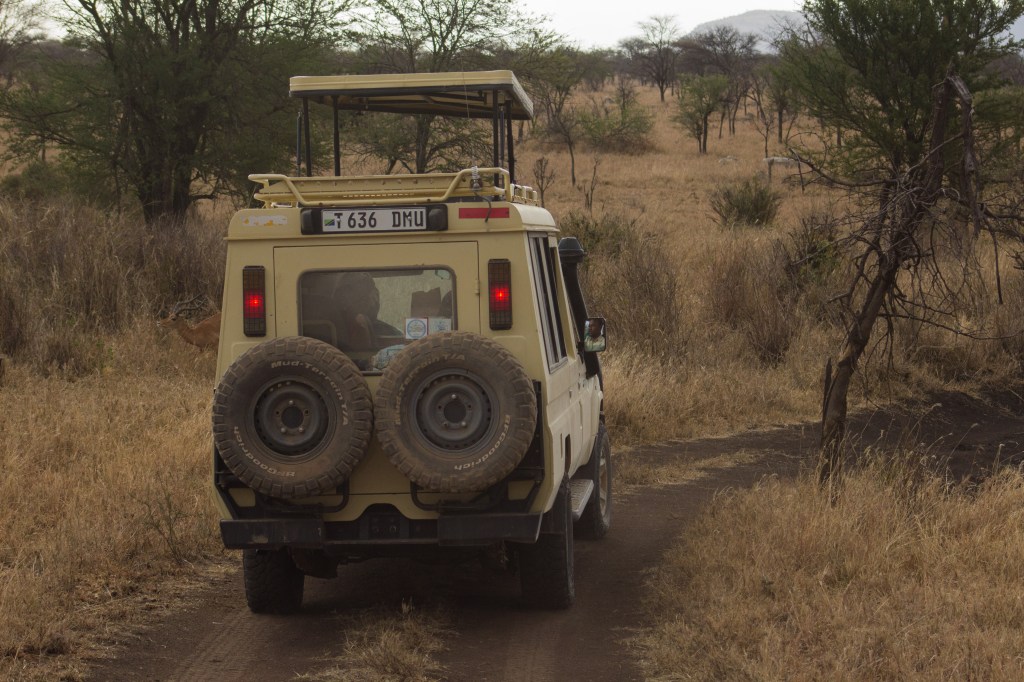
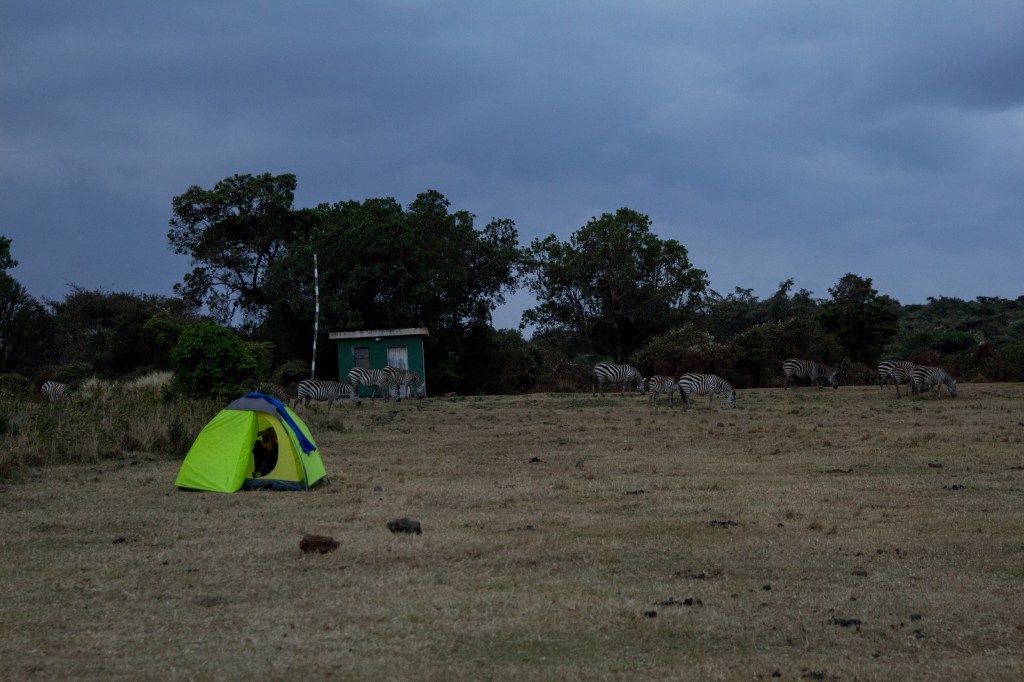
The Safari was unbelievable. We wen’t through different parcs like Tarangire parc or Ngorongoro Parc and we were able to see so many animals. It was one of the best experiences of my life. We slept always in a tent sometimes in the middle of the national parc. But if you gonna do this you really have to put your food outside the tent in some buildings or eat it! Because most of the animals are nocturnal and they shouldn’t smell something inside your tent. Another rule is that one shouldn’t go alone or even by darkness to the toilet. But if you are thinking about this two little rules everything will be fine and one can really enjoy the night!
tent in the middle of the national parc
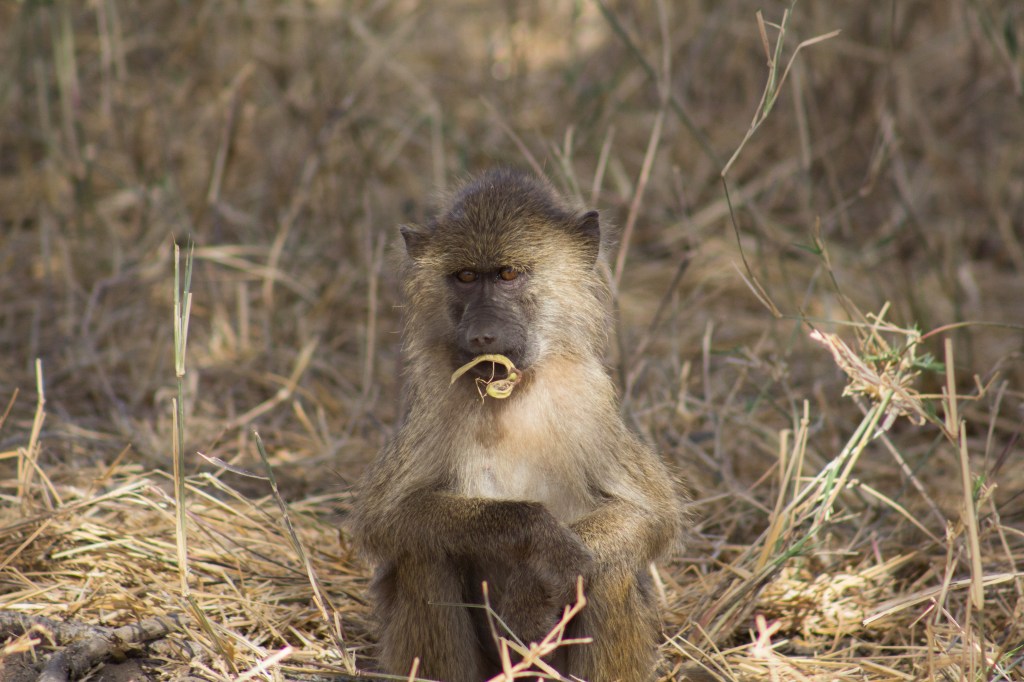
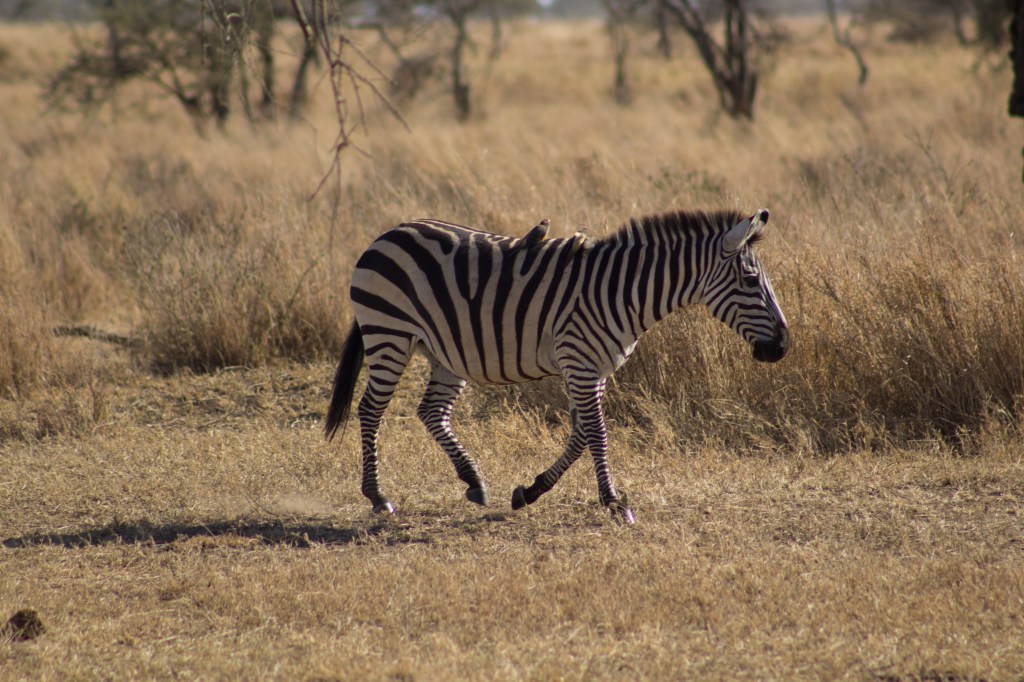
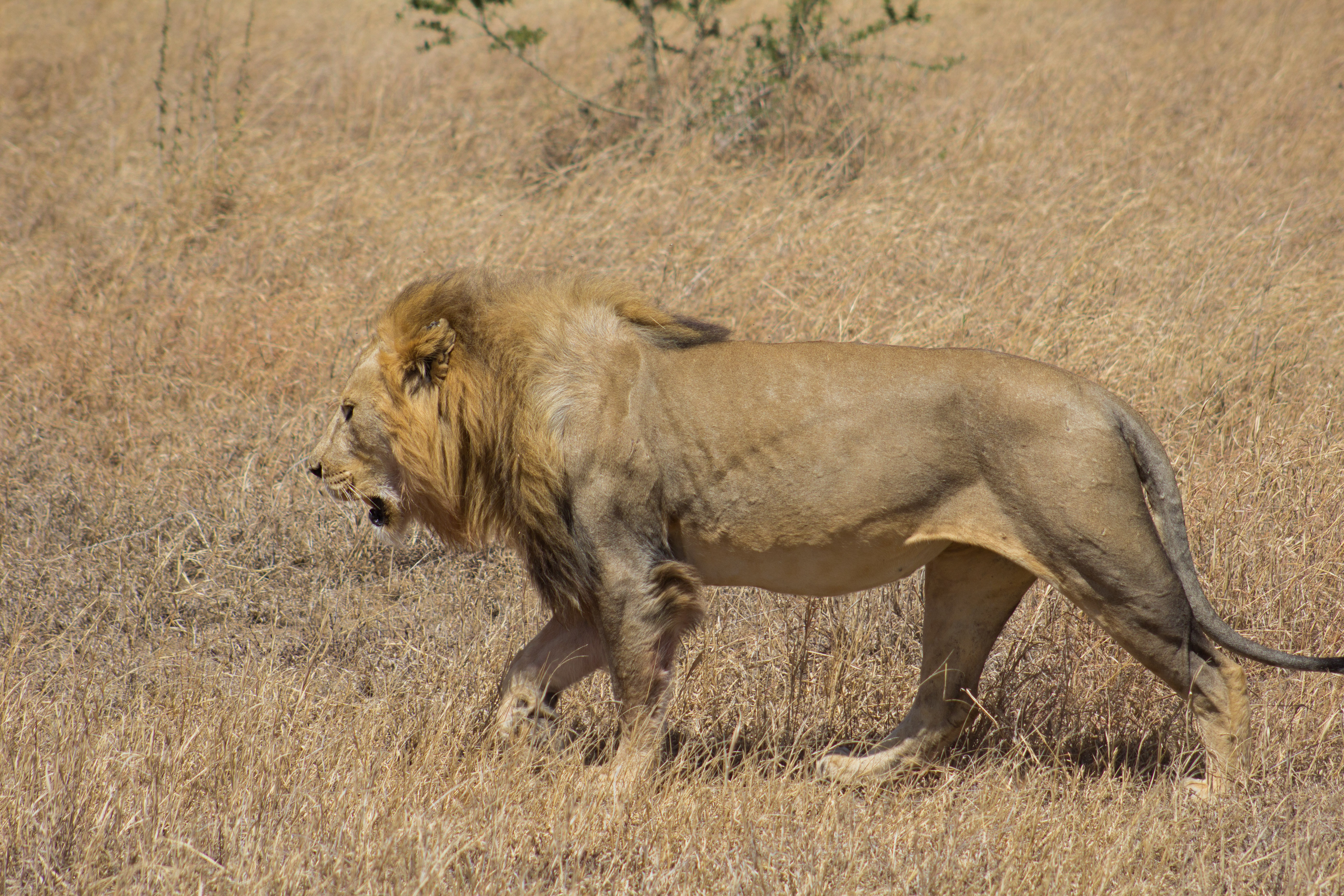
At our 4 days Safari we saw animals like Giraffes, buffalos, monkeys, elephants, ostrich, zebras, lion, warthogs, hornbills, vultures, hyenas and leopards. Our driver was really nice and explained us a lot about the animals.
Here are some small facts about some animals:
the bouquet animal is with 90 – 100 km/h the second fastest animal
dik-diks are living monogamous this means they only have one partner in their life
the drunk of one elefant holds 7 liter
giraffes are sleeping while standing
the male lions eat first, than their children and after that the females
Tanzania is a paradise for tourism. The country has a beautiful landscape with high mountains, national parks with a breathtaking wildlife, the cultivation of favored products and culturay diversity due to more then 120 tribes.
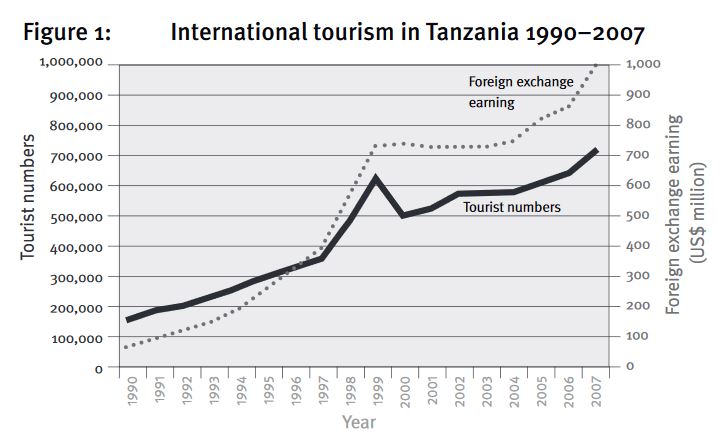
The tourism sector is the nation’s second leading foreign exchange earner and it benefit their economy with income, employement and tax revenue (Kweka et al., 2003). But the country is still facing some problems like the infrastructure, qualified employees and legal and regulatory frame conditions. Nevertheless the tourism in Tanzania experience a constant increase since the mid-1980s (Wade et al., 2001).
source: Mitchell et al., 2009
But why the tourism in Tanzania increased? Firstly the tourism sector experienced a positive influence from the growing tourist industry of Kenya (Derek et al., 2001). But also due to the development of technology and the use of social media. (Ndekwa et al., 2016).
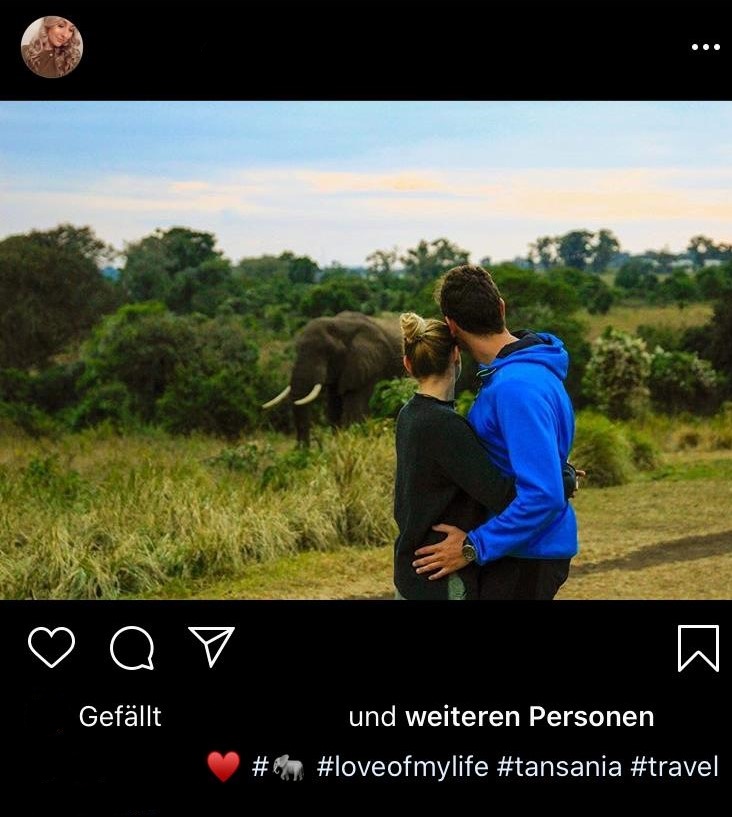
With social media platforms, like instagram or facebook, it is more easy to reach people worldwide. With the hashtag #tansania 59.628 pictures have been posted until now. But this is nothing to compare with hashtags from the main touristic spots in Tanzania. For example #serengeti with 477.635 or #kilimanjaro with 469.359 posts. When I was in Tanzania I also posted one photo with the hashtag #tansania.
Not only private people also companies are using social media or other platforms to reach as much people as they can.
What are people thinking about this development. If you are interested in other opinions read belowing interview with Alan one of the owner of MAK COFFEE in Germany.
Can you introduce yourself?
“My name is Alan … I come from Tanzania. I was born in Arusha and I live in Germany since 2006. I came here for studies … I did international business and master international business and finance. Then afterwards I worked and decided after three years to start my own company.“
What comes to your mind when you think about Tanzania?
“Tanzania is a beautiful land. And I love the people and the nature. I love the mix between the natural resources, the animal and the people. It’s just nice to be in Tanzania.“
Do you think that the tourism sector in Tanzania has increased in the last 10 years? And why/ why not?
“I think due to the political situation … good situation, tourism sector in Tanzania has increased. And… the people due to digitalization or the use of social media, people post a lot of videos or photos which attract people to visit Tanzania. Therefore, thanks to the digitalization and the political stability Tanzania has improved a lot in tourism.“
What are you thinking about technology use in Tanzania? For instance, the use of social media?
“I think Tanzania is not so advanced in technology and there is a lot to do but nevertheless in Tanzania a lot of people have smartphones sometimes with two or three. They are all connected to the internet but nevertheless the internet is very expensive. There is still room for improvement but … many people say that there is already a big improvement and sometimes they are more advanced then Europe in things like online or mobile payment.
Tanzania is a country in East Africa. It’s main capital is Dodoma but unofficially it’s Daressalam. With 56,4 Million people Tanzania is the five biggest country of Africa. The actual currency is Tanzanian shilling.
The green colour of the flag stands for the land and blue for the water. The yellow applications represent mineral resources. The country provides metals (gold, iron ore, nickel, copper, cobalt, silver), industrial minerals (diamond, tanzanite, ruby, garnet, limestone, soda ash, gypsum, salt, phosphate, gravel, sand, dimension stones and lately graphite), and fuel minerals (coal, uranium).
The Vachellia xanthophloea (english fever tree) is one of the most famous tree in Tanzania and it comes from the family Fabaceae.
Many people are also coming to Tanzania because of their huge mountains like Kilimanjaro with 5892 meteres or the five highest mountain Meru with 4566 meters.
The main language is Swahili. Here are some phrases we found the most important:
Karibu = Your welcome!
Mambo = How are you?
Asante sana = Thanks alot!
Pole Pole = slowly slowly
Hakuna Matata = This is no problem!
But there are some different languages like Mee – this is the language of the Massai tribe. While visiting one of these tribes we recognised that they can’t communicate in Swahili or english. Most of their children are not allowed to go to school but there are some women which are fighting for the rights of their children.
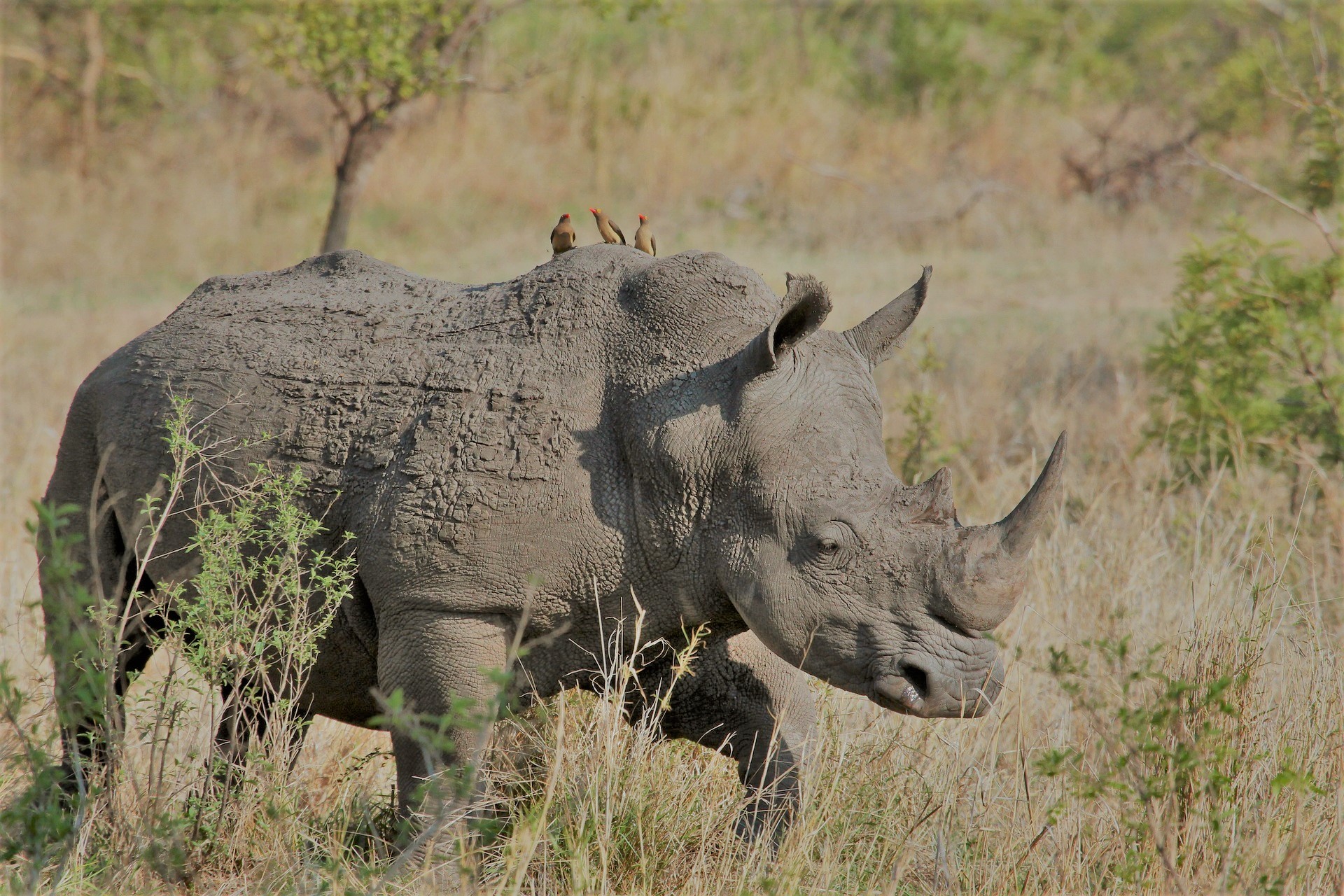
In Tanzania one can see, especially on safari tours a huge range of animal species like the Big Five – elephants, buffalo, lions, leopards and rhinos. Sad fact is that rhinos are a critically endangered species also in Tanzania.
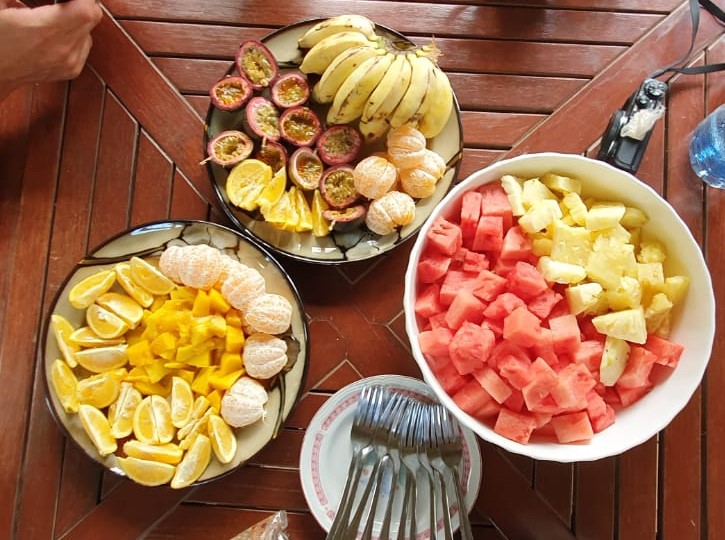
Also Tanzania is well known for it’s huge range of fruits like bananas, watermelons, passionsfruits, jackfruits, avocados, pineapples, mangoes or orange.
In gerneal you can eat really good in Tanzania. For example chapati, it is a traditional flatbread which comes originally from india. You get chapati in nearly every restaurant. But it’s also possible to make it yourself. If you want the recipe click in this picture.
Some facts we recognized about Tanzania:
Tanzanian people are relaxed (Hakuna Matata), friendly and really helpfull
If a politican cross you on the middle of the street you have to make space for him no matter if you will have an accident
One need a long time to travel through the country (bad roads)
Huge unemployment rate especially for young men
One have to bargain at markets
Nearly every drink is from the company Coca Cola
One can travel very cheap with the “Dalla Dalla” – you can also transport your goats
The police stop people random – “you have to become friends with them”